
Bunka


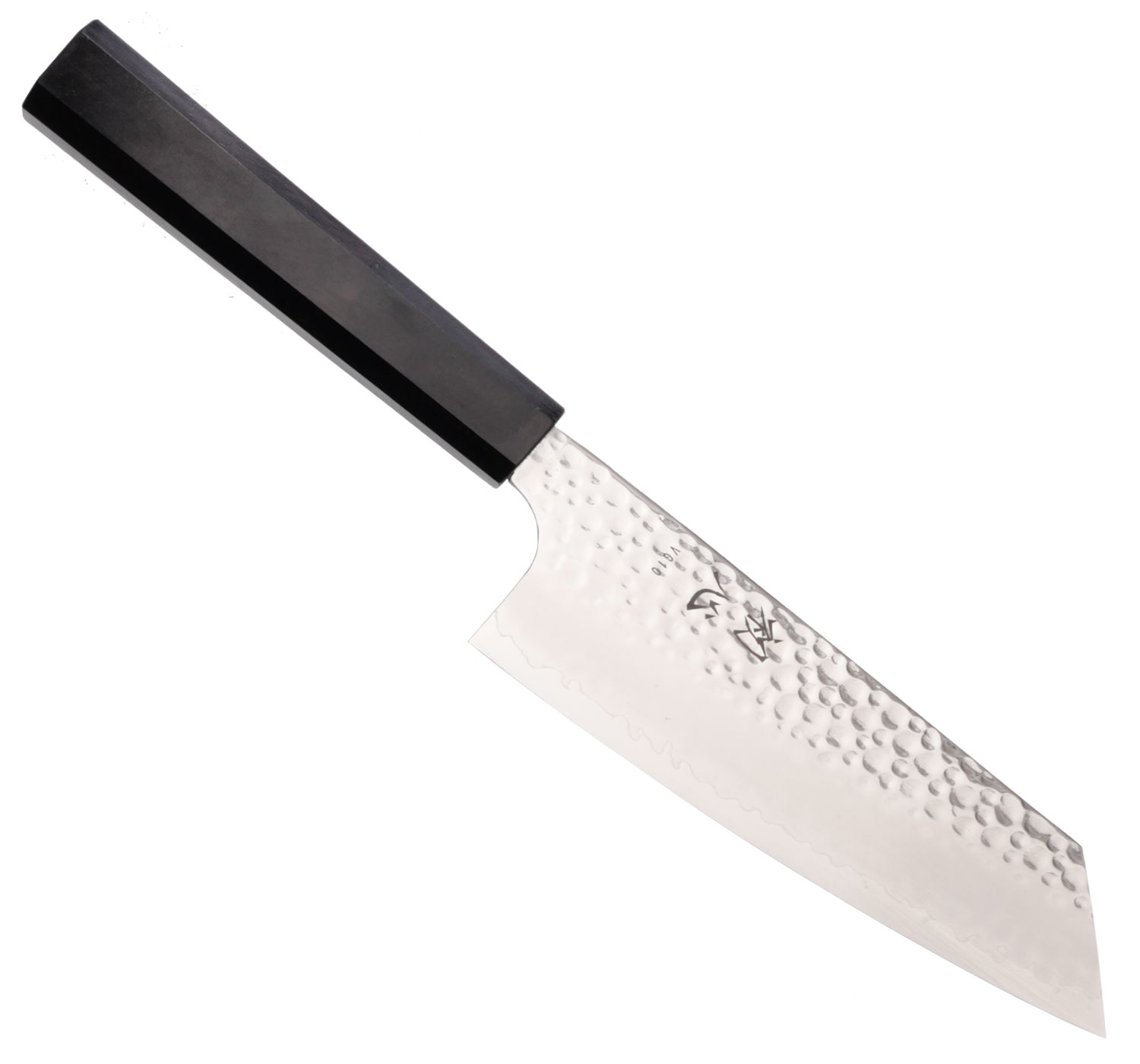
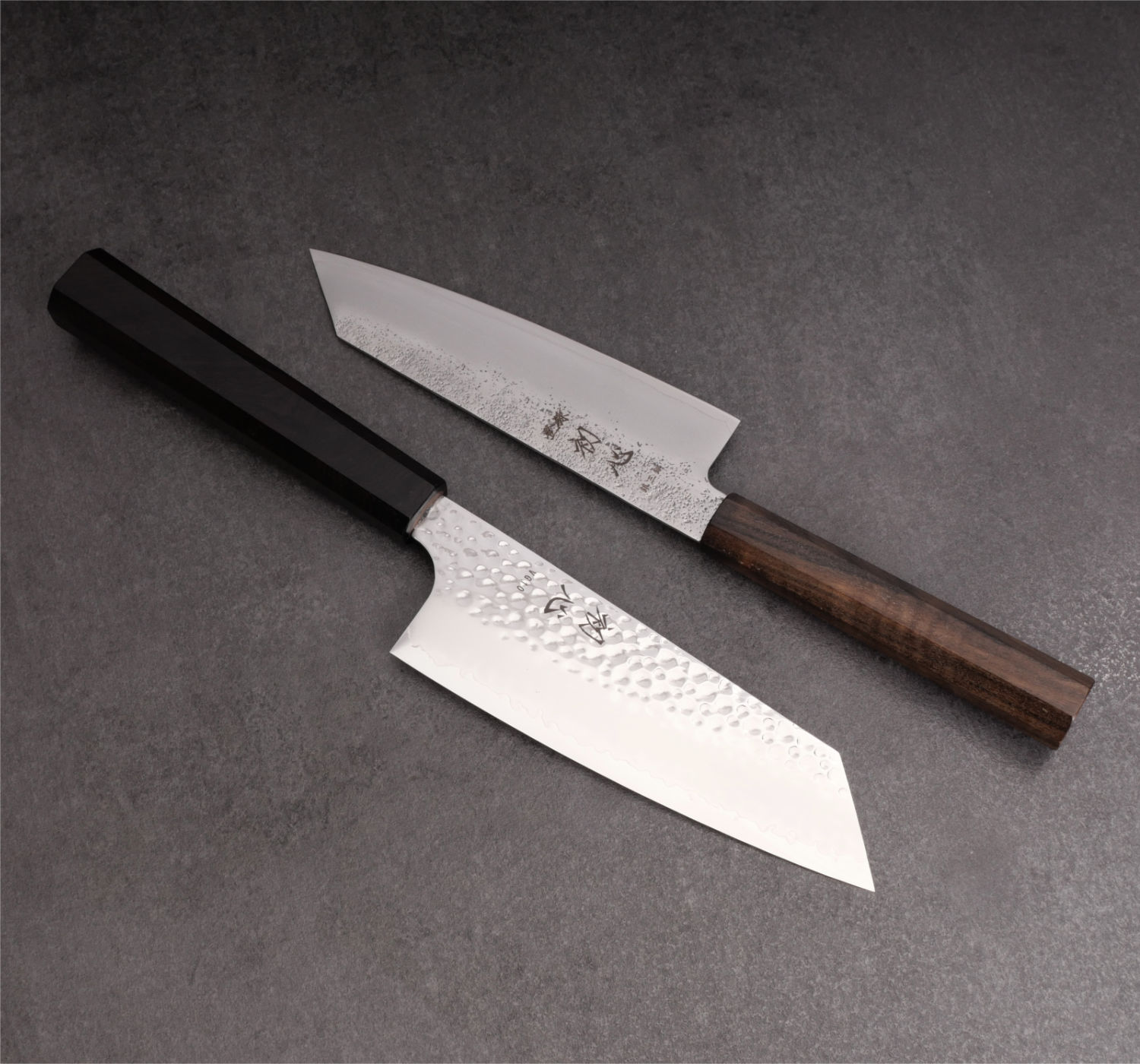
Bunka with a 150 mm blade.
Steel: Stainless VG-10 with 2 layers of stainless cladding (HRC: 60–62)
Edge length: 150 mm
Blade height: 47 mm
Spine thickness: 1.8 mm
Weight: 140 g
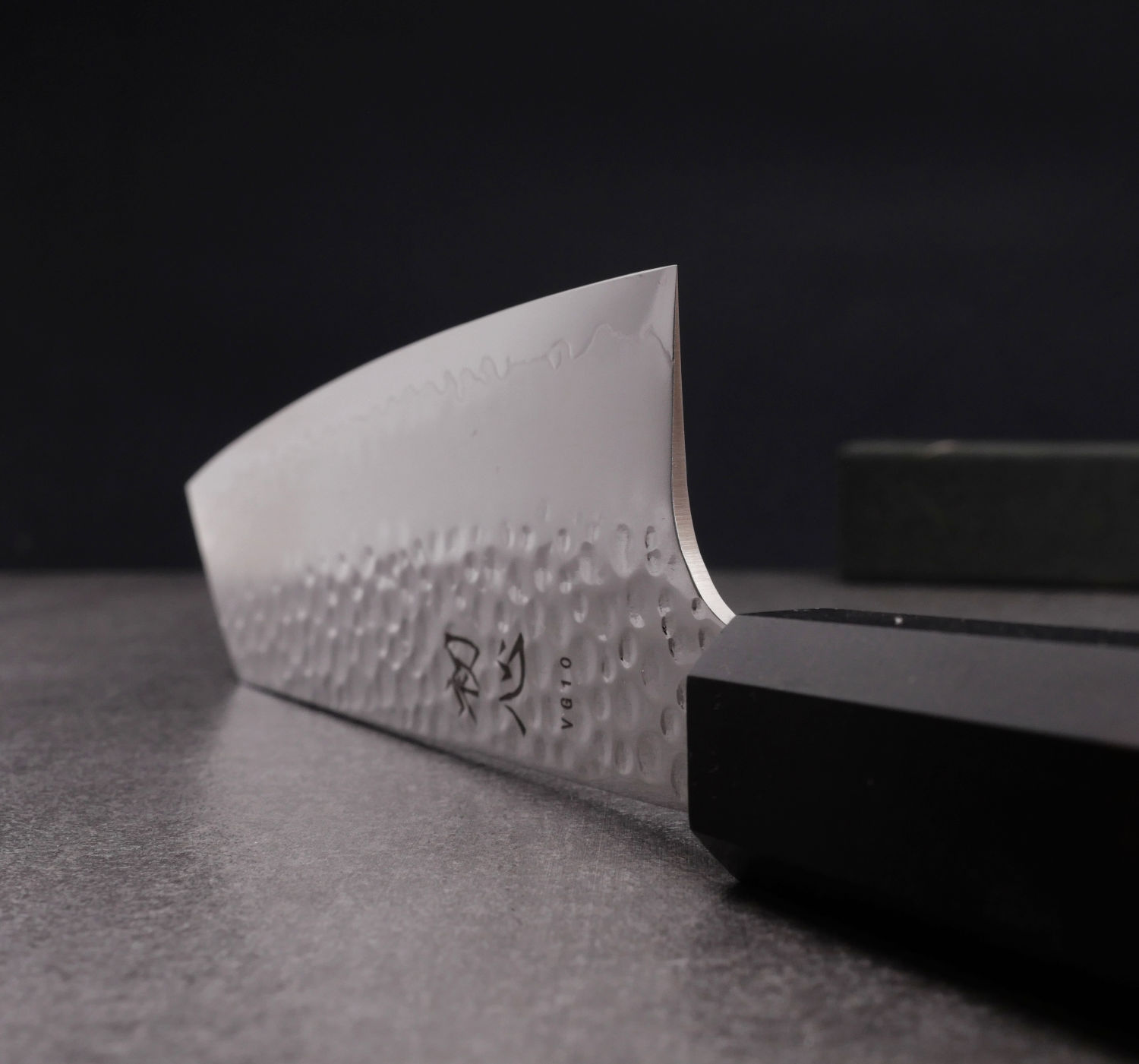
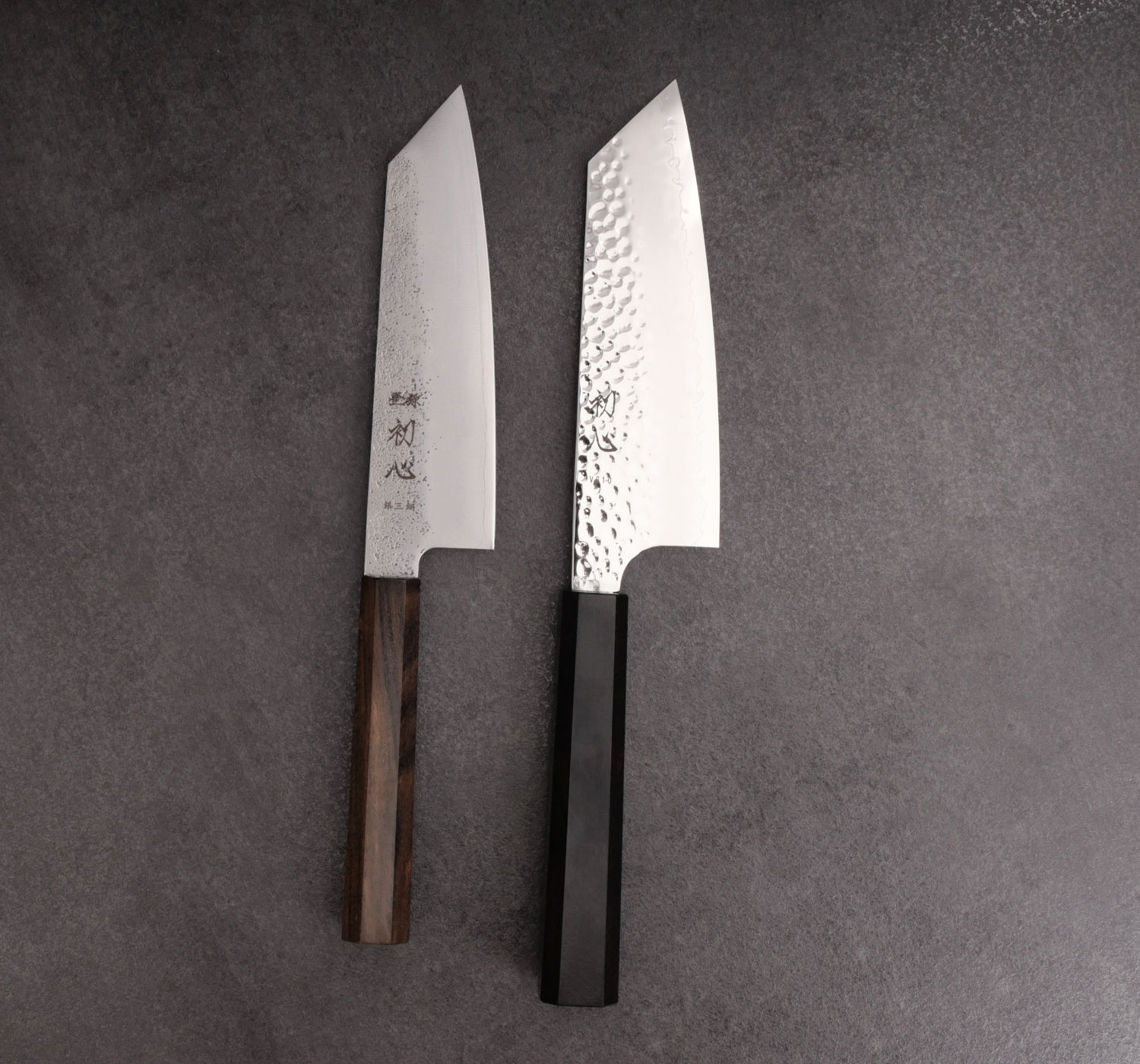
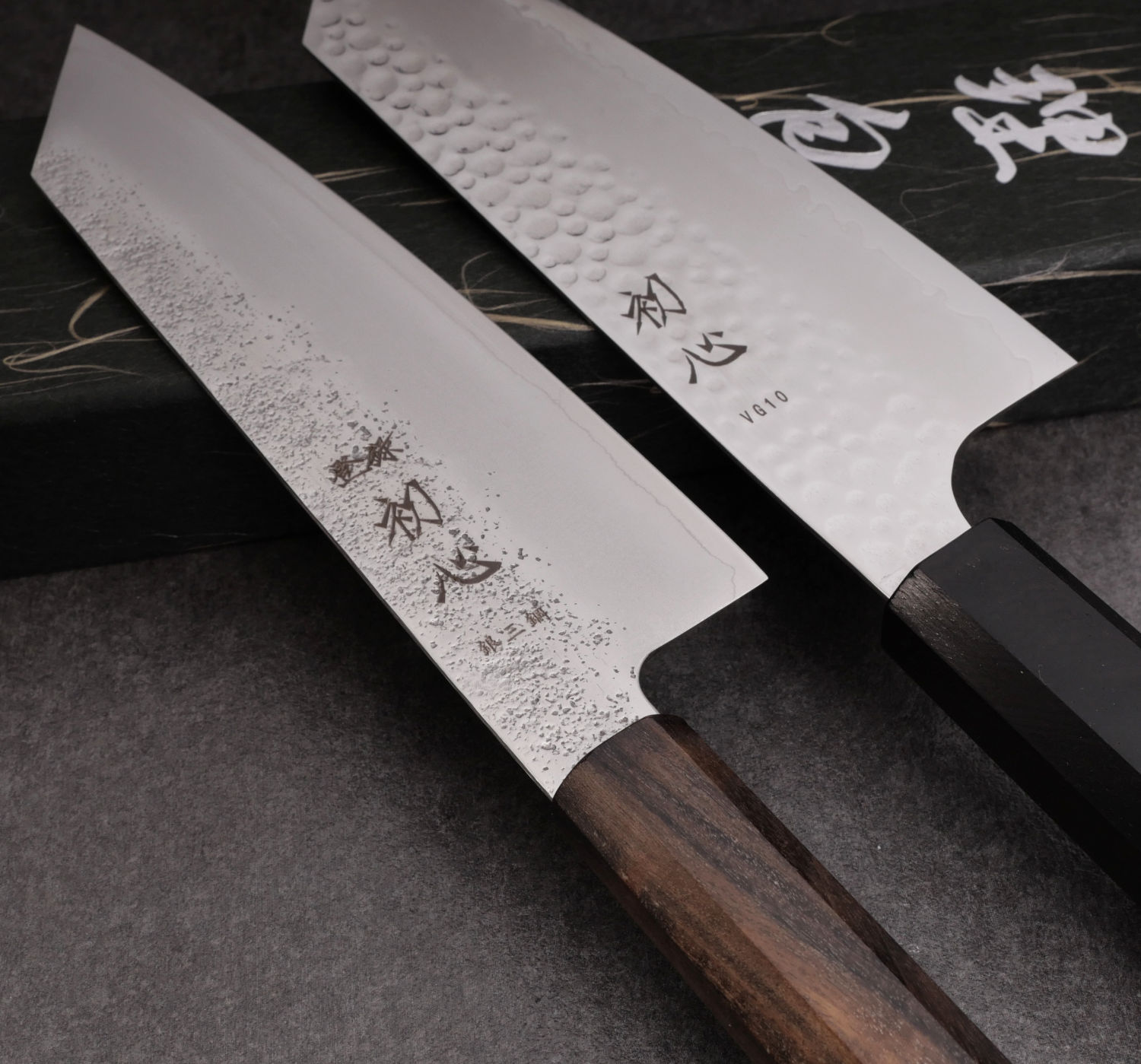
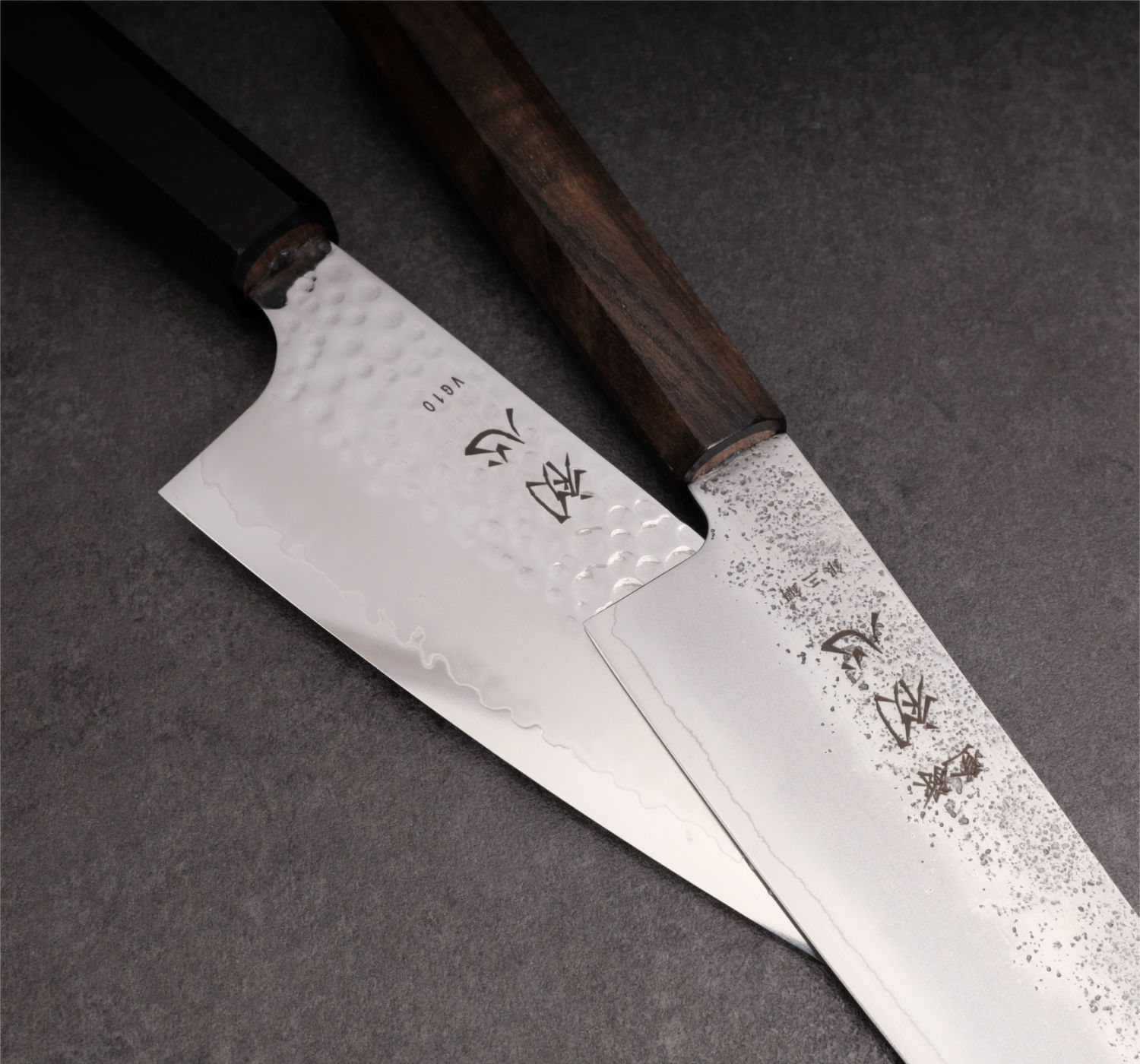
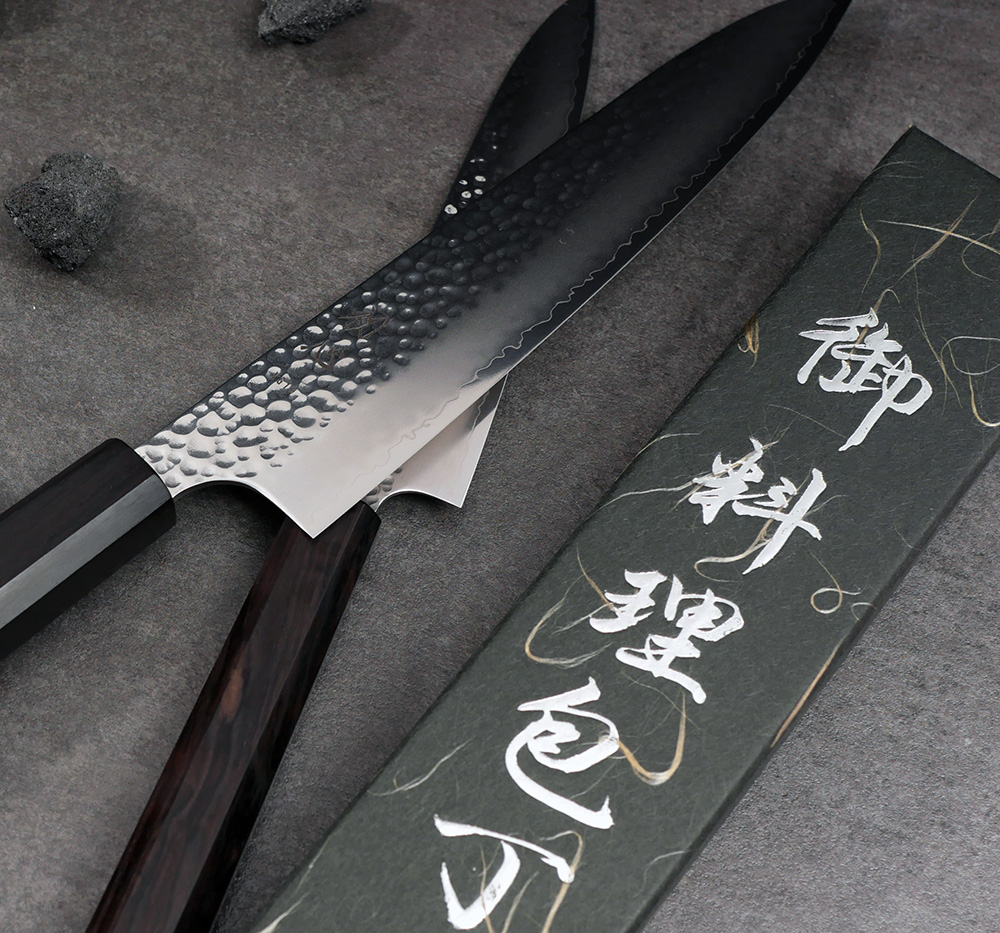
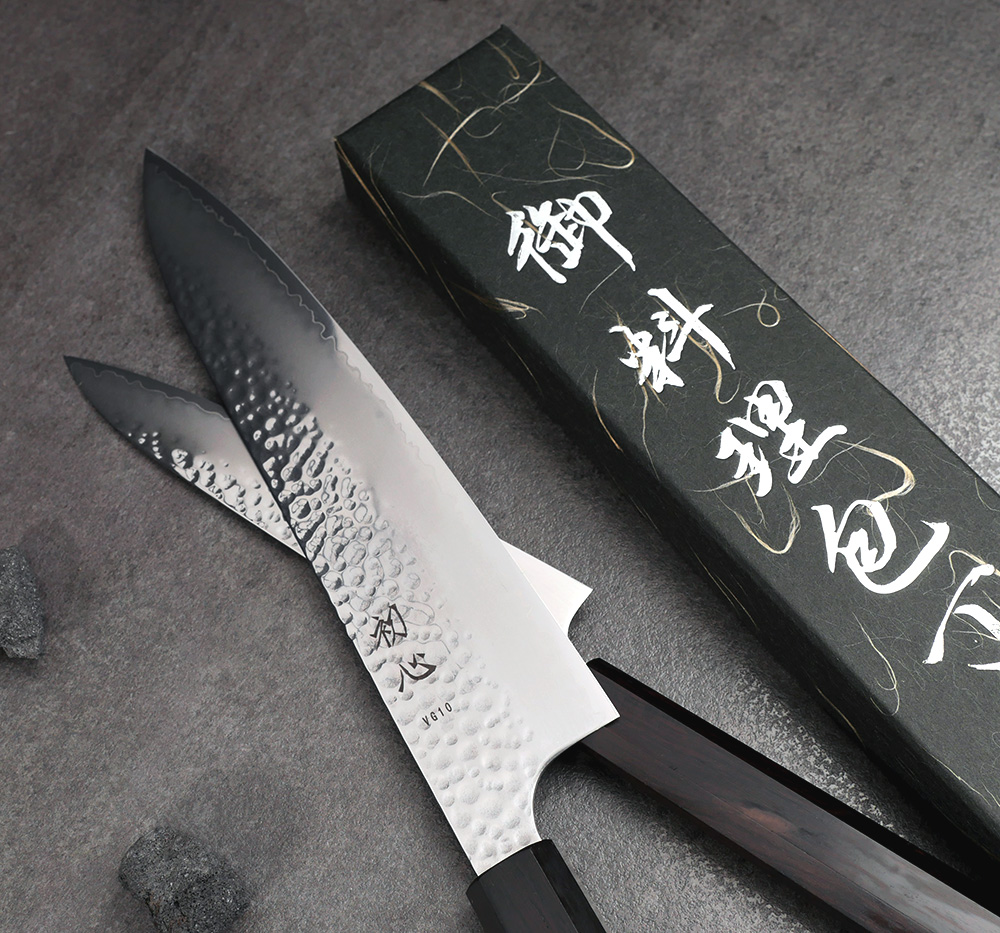
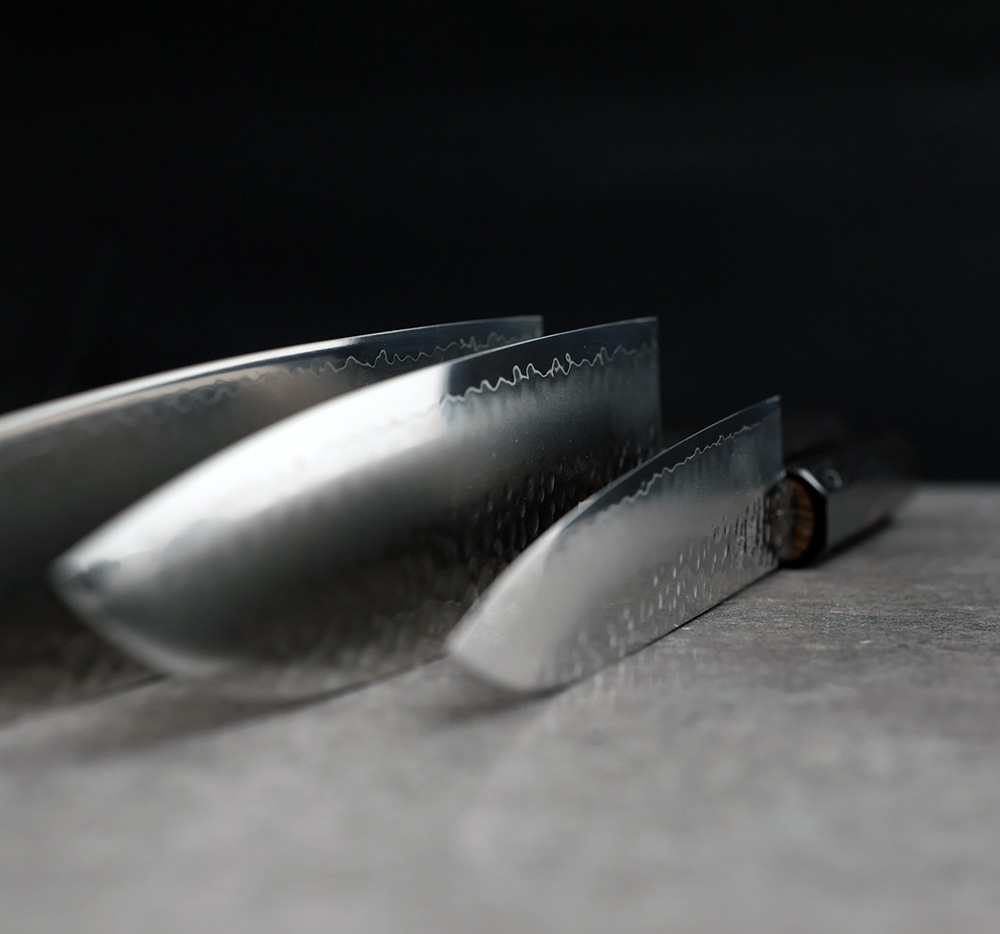
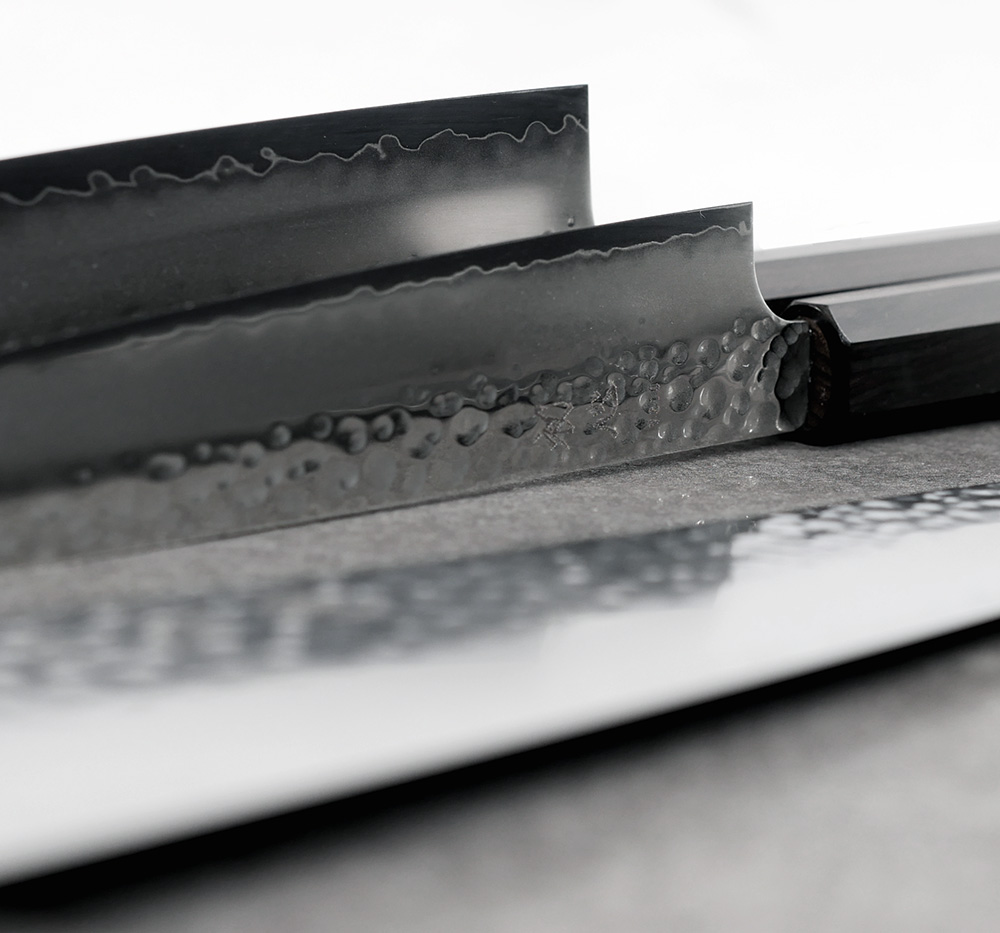
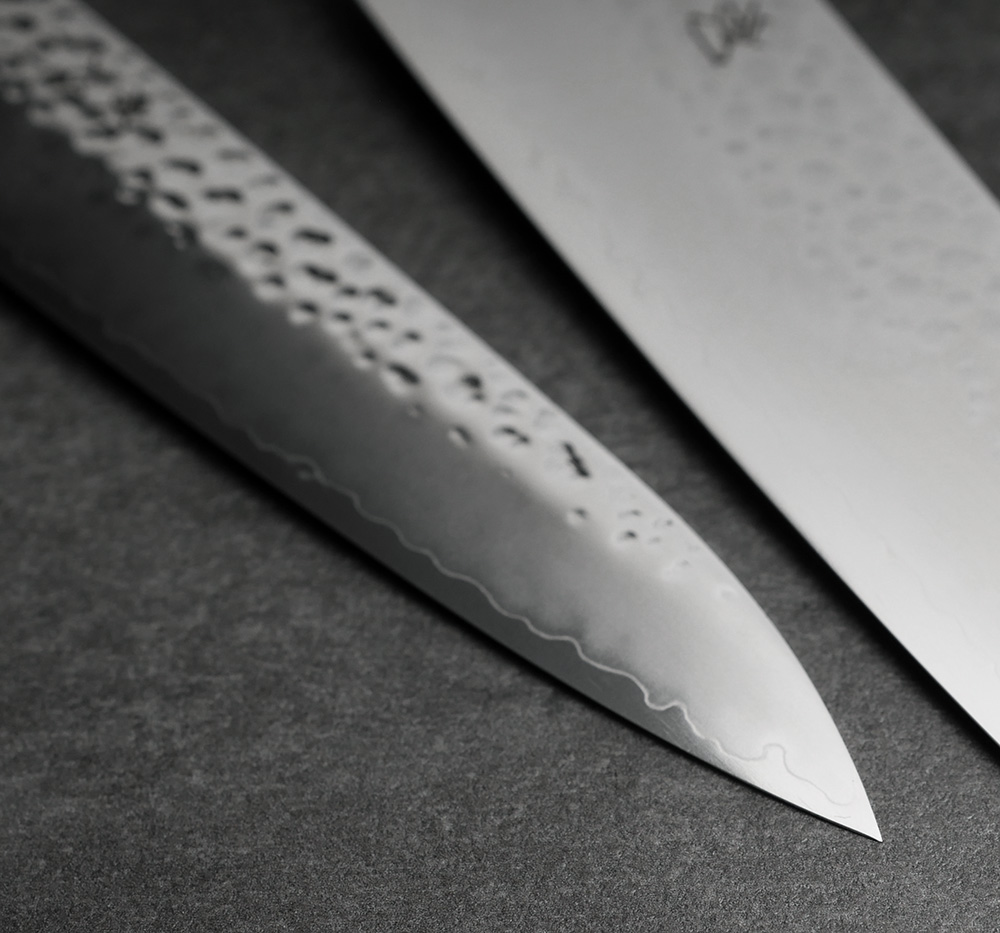
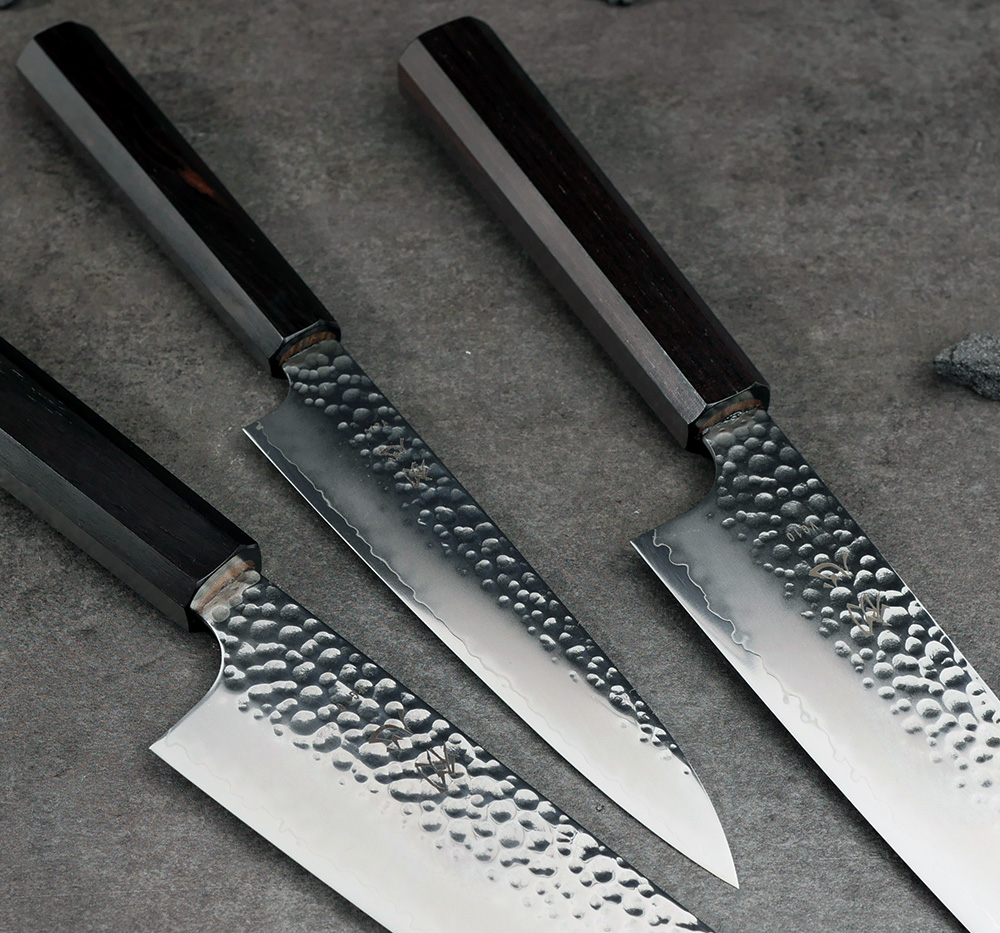
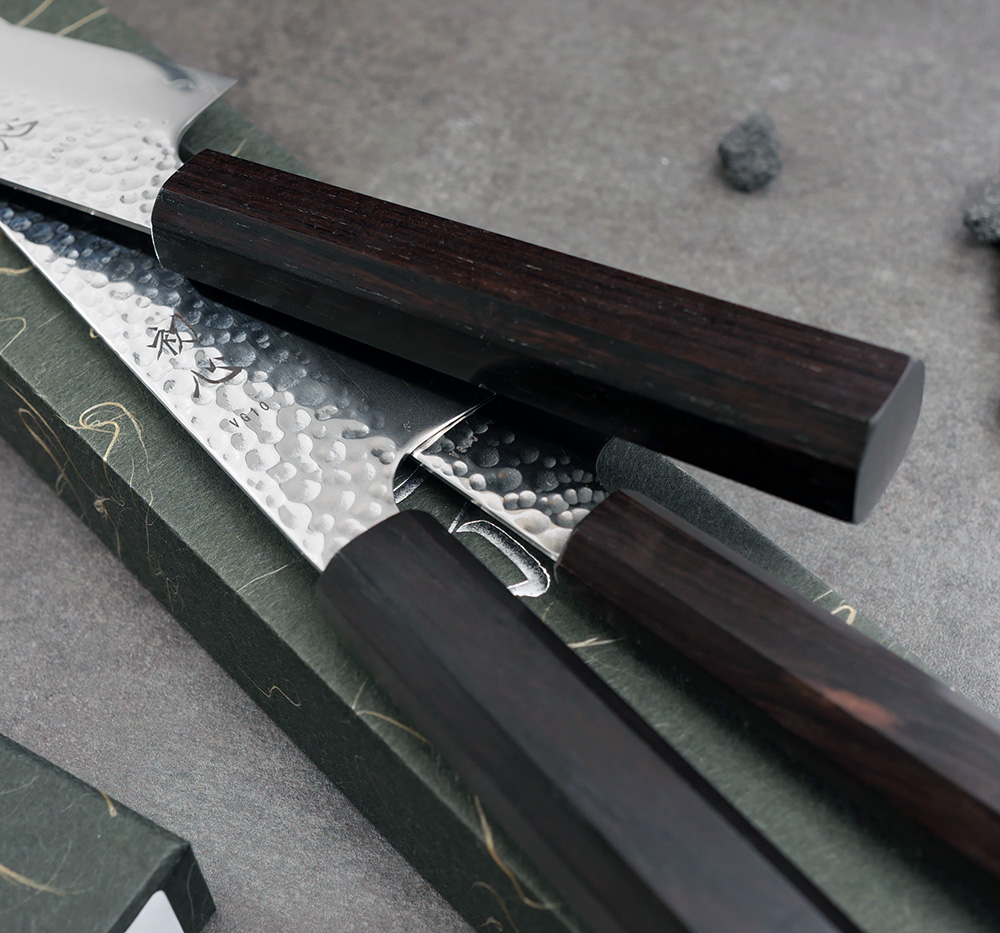
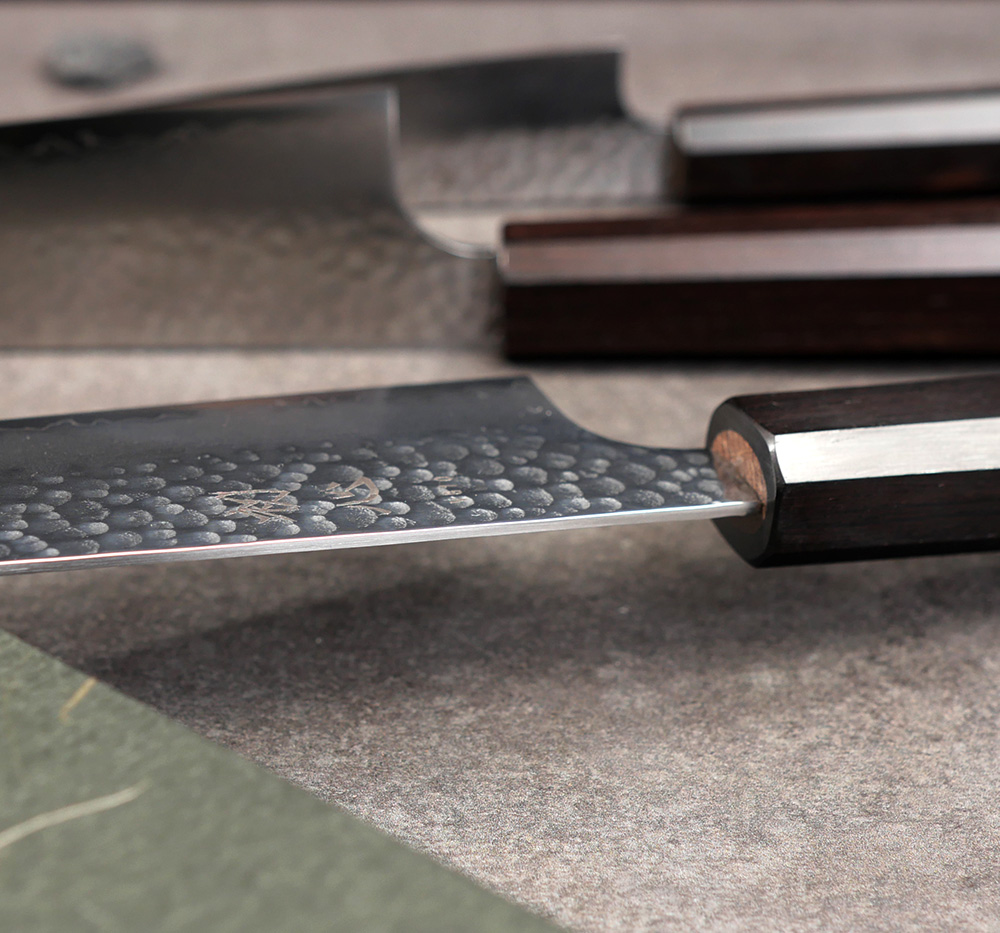
Blade finish: Mirror-polished tsuchime with a hazy transition towards the highly polished core steel
Handle: Mono ebony
This knife series is the result of a close collaboration between Hatsukokoro and one of the largest and most highly regarded knife manufacturers in Seki City, Japan. We are extremely impressed by this series, which combines a beautiful finish with very thin, refined edges and consistently high quality. We highly recommend this knife!
The blade is made from high-performance VG-10 stainless steel. The core steel is clad with two layers of softer stainless steel, which have been hammer-finished (tsuchime) and polished to a mirror finish. The highly polished surface transitions into a hazy kireha, which meets the brightly polished core steel and creates an attractive contrast. The handle is octagonal and made from ebony.
Important:
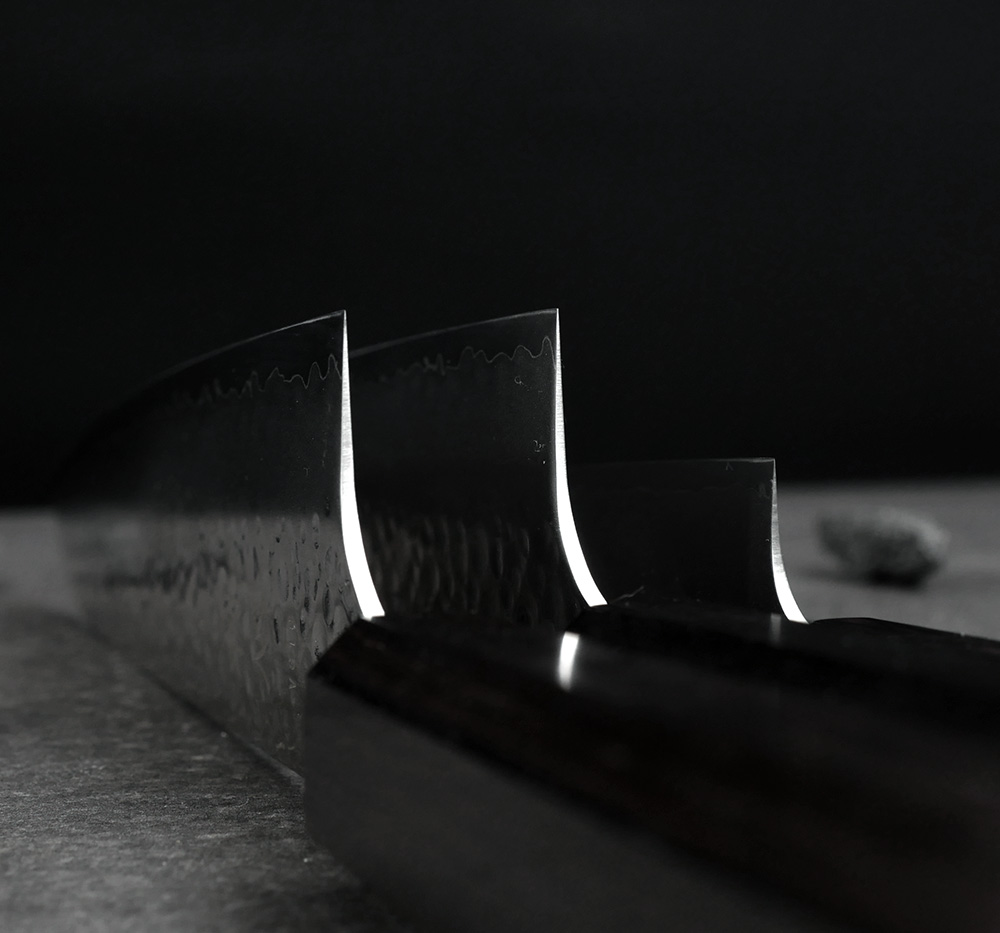
Please keep in mind that the edge is hard and extremely thin. It is therefore important not to subject the edge to excessive stress, particularly lateral force.
When using a Japanese knife with a thin blade, the edge should always be in motion while cutting. Never force the blade straight through an ingredient without moving the edge forwards or backwards. Likewise, never twist or rock the blade to pry an ingredient apart.
Pressing, twisting or rocking the blade—in short, forcing it—can easily create lateral stress on the thin edge. The edge can generally withstand considerable force when cutting straight down while simultaneously moving forwards or backwards. This is because the entire blade above the edge supports it, absorbing and distributing the force.
With lateral force, however, only the extremely thin edge and a very small amount of steel are available to absorb the stress. The hard edge will flex as much as it can, but if the load becomes too great, the edge may chip or part of the tip may break off.
We often see this type of damage when cutting hard cheeses, avocado pits, frozen fillets, bones, butternut squash, etc.